
JACKSONVILLE, Fla. — To become a part of the First Alert Neighborhood weather station network powered by Tempest - scan below &/or click * here *:

Good news for Jacksonville/NE Florida & SE Georgia - the spring pollen season has peaked! Now that doesn’t mean the pollen is completely gone, but the numbers are dropping. Our spring pollen season usually peaks with oak pollen in March & April & the numbers will rather quickly decline now through the rest of spring - it’s time to power wash! The frequent significant freezes from Nov. through February, resulted in bursts of pollen with just about all plants, shrubs & trees that bloom releasing large amounts of pollen at one time or another.
Check out our exclusive pollen tracker courtesy Jacksonville Sinus & Nasal Institute which traces the oak pollen numbers going back to mid to late March. Really high numbers peaked on March 21st:

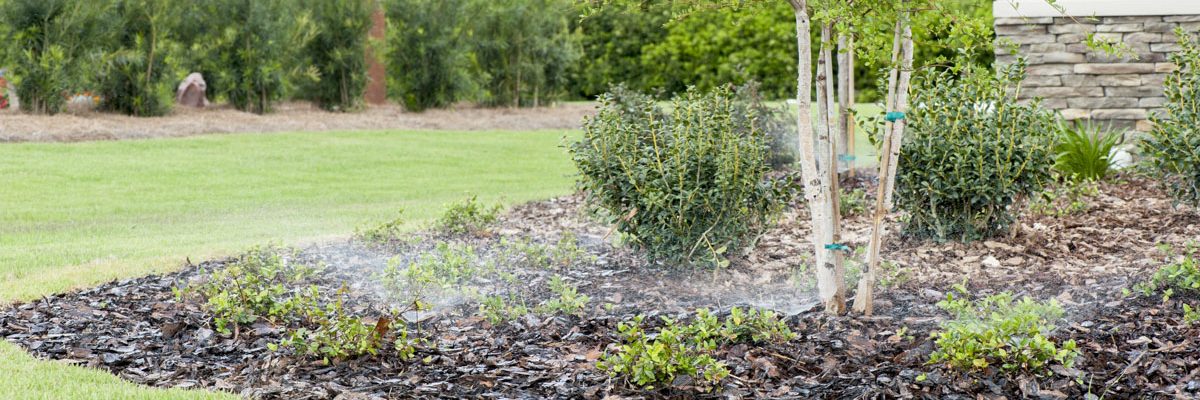
April is water conservation month. From the St. Johns Co. River Management District:
PALATKA, Fla., April 3, 2026 — In partnership with the Florida Section of the American Water Works Association (FSAWWA) and other state and local entities, the St. Johns River Water Management District is recognizing April as Water Conservation Month, highlighting the importance of protecting Florida’s water resources through responsible water use.
The recognition comes as dry conditions persist across the state. As of last week, the entire state of Florida was classified at a minimum of moderate drought, with several counties of the District falling within that category and portions of northern and southern counties experiencing severe to extreme drought conditions, according to the U.S. Drought Monitor. In response to declining groundwater levels and ongoing dry conditions, the District recently declared a Modified Phase II Severe Water Shortage for portions of northeast Florida.
April is typically one of the driest months of the year in Florida, when landscape irrigation demands are often highest. The annual observance encourages residents, businesses and communities to use water efficiently and adopt practices that help conserve the state’s water supplies.
“Water conservation plays an important role in protecting Florida’s water resources,” said St. Johns River Water Management District Executive Director Mike Register. “Simple actions, such as ensuring you only water on the allowed days of the week and performing annual maintenance on your irrigation system, can help reduce unnecessary water use.”
The District encourages residents and businesses to take steps to conserve water, including following local watering schedules, maintaining irrigation systems and checking rainfall shut-off devices to ensure they are working properly.
Water Conservation Month is recognized across Florida each April as part of a statewide effort to promote efficient water use and protect the natural resources that support Florida’s communities, economy and environment.
For more information on Water Conservation Month and water-saving tips, including signs of a stressed lawn, visit * here * or explore the Water Less campaign website.
April night skies (Sky & Telescope):
April 18 (dusk): The thinnest sliver of the Moon, just one day past new, and Venus adorn the west-northwestern horizon. Catch this sight before it sinks out of view.
April 19 (dusk): After sunset, watch the Pleiades star cluster gradually appear in deepening twilight between the waxing crescent Moon and Venus.
April 22 (morning): The Lyrid meteor shower is expected to peak. Continue looking for meteors during the night of April 22–23. The Moon, almost at first quarter, will not interfere with viewing.
April 22 (dusk): The waxing crescent Moon in Gemini forms a delightful tableau with Jupiter and Pollux.
April 23 (dusk): Face west-northwest about 1 hour after sunset to see the Pleiades star cluster 3° to the upper left of brilliant Venus. Binoculars will enhance the view.
April 25 (dusk): The Moon, one day past first quarter, occults (covers) Leo’s brightest star, Regulus, for many viewers in most of the Americas. For those who won’t see the occultation, the sight of the star and the waxing gibbous will nevertheless be striking.
April 29 (evening): The waxing gibbous Moon gleams 3° from Spic, the alpha star in Virgo.
May 3 (evening): The waning gibbous Moon trails Antares by about 1½° as they rise above the horizon.
May 5–6 (all night): The Eta Aquariid meteor shower is expected to peak. Although this display favors viewers in the Southern Hemisphere, those in the Northern Hemisphere can expect to catch a few meteors. This year, however, moonlight will severely hamper the experience.
Moon Phases
Last Quarter - April 10, 12:52 a.m. EDT
New Moon - April 17, 7:52 a.m. EDT
First Quarter - April 23, 10:32 p.m. EDT


